Healing
By Design
How design can be used to reimagine our approach to healing through the use of plant-based materials.
In 2019, Swiss-born artist Uriel Orlow embarked on a collaboration with Lumartemisia, the women’s cooperative in Lumata, Democratic Republic of Congo. Together, they established a medicinal herb garden dedicated to cultivating Artemisia afra, a plant commonly known as African wormwood and traditionally used in local communities against malaria. The installation, titled Learning from Artemisia, was commissioned for that year’s Lubumbashi Biennale and aimed to shed light on the tragic irony surrounding the ongoing malaria crisis and the lack of urgency around developing new treatments based on available traditional remedies. Instead, global efforts to control malaria continue to be primarily focused on synthetic insecticides.
While the numbers clearly show current treatment strategy has helped significantly decrease malaria cases across the globe, the success comes at a cost. Communities in malaria-affected regions, especially in the global south, are often exposed to an efficient yet startling cocktail of preventive chemotherapy for the population coupled with insecticide-infused bed nets and direct use of dichlorodiphenyltrichloroethane, commonly known as DDT, for the crops. Originally synthesised in 1874 by Othmar Zeidler, an Austrian graduate student, DDT gained recognition for its insecticidal properties during World War II and was extensively tested by the United States in various locations from Naples to the Pacific. Once the war was over, its affordability, persistence, and effectiveness led to its widespread use in American agriculture from the 1950s, eventually finding its way into households as a multipurpose cleaning product.
Then, the detrimental impact of DDT on the environment and human health was exposed in the American marine biologist and writer Rachel Carson’s groundbreaking book, Silent Spring. As a result, the substance was prohibited in the US in the 1970s, marking a significant milestone in environmental history. In 2001, its global use was banned under the Stockholm Convention, except for vector control against diseases like malaria.
Today, the World Health Organisation (WHO) continues to endorse the use of DDT in countries with high malaria rates, arguing that the benefits associated with its efficacy outweigh the risks it poses both to the environment and the population. However, concerns persist against its widespread usage. Nearly a century since its introduction, DDT’s chemical residue remains in the environment, mosquitoes have developed resistance to it, and ecosystems have suffered disruption, impacting beneficial species alongside disease vectors such as mosquitos and fleas. Additionally, emerging evidence highlights the long-term health effects of DDT, such as the increased risk of breast cancer in granddaughters of women exposed to the pesticide. Eyebrows are therefore raised as to what this has in common with actual healing. Is there really no alternative at hand?
In the 1980s, ethnobotany and ethnopharmacology emerged as disciplines that documented and validated the efficacy of traditional practices.
Naturally, one would think of environmentally-friendly solutions based on plants. For instance, Azolla, a small aquatic plant native to Southeast Asia considered invasive due to its rapid biomass growth, is known as the “mosquito fern”. By covering the surface of stagnant freshwater bodies, it prevents adult mosquitoes from laying eggs, impeding the growth of mosquito larvae. Azolla ferns have been historically cultivated in rice fields, providing a local approach to vector control and enabling farmers to naturally regulate the population of disease-carrying insects. This gives us some hope, as does the adoption of One Health - an integrated policy concept promoted by the WHO that seeks to balance the health of people, animals and the environment, which is challenging current mainstream perspectives of health and healing.
But environmentally-friendly solutions have historically been subject to commercial and political exploitation. Cinchona bark, brought to Europe from Peru in the 1630s, played a crucial role in defeating malaria outbreaks. While there are no mentions of malaria in pre-colonisation historical records of Peru, the subsequent exploitation of the cinchona bark by European empires changed the Peruvian landscape forever, razing swathes of trees until the species eventually became endangered. Subsequently, the supply of quinine - the anti-fever compound isolated from the cinchona bark - became essential to the protection of British troops and civilian officials from malaria as the Britsh empire colonised other regions such as India.
More recently, a host of biopiracy scandals fueled by the neoliberal mantra of free trade have seen companies seeking exclusive rights to plants’ medical application through patents. Various species including Madagascar periwinkle, rooibos and South African geranium, as well as crops such as basmati rice, turmeric, and quinoa, have all been the subject of legal disputes. This has created a drastic imbalance where the majority of genetic resources originate from the global south, while the majority of patents are held by entities in the global north.
To address these inequalities, the Convention on Biological Diversity, introduced during the Earth Summit in Rio de Janeiro, Brazil, in 1992, has played a vital role in recognising and providing fair compensation to Indigenous communities across the world for their invaluable contributions. Many of these patents were eventually revoked. In 2010, the Nagoya Protocol further established guidelines for implementing an access and benefit-sharing mechanism, ensuring a clear legal framework for the fair and equitable distribution of profits derived from local resources based on traditional Indigenous knowledge.
In the 1980s, ethnobotany and ethnopharmacology emerged as disciplines that documented and validated the efficacy of traditional practices. This led to the facilitation of partnerships between traditional healers, local communities, and scientific researchers, fostering an exchange of knowledge and the integration of traditional practices with evidence-based approaches. This interdisciplinary ethos extends beyond botany and encompasses fields such as gastronomy, fashion and design.
The use of plant-based dyes in traditional textiles has been well-documented, encompassing a range of vibrant colours from cochineal red to indigo blue. However, various Indigenous groups across India have gone beyond mere aesthetics and incorporated plant-based dyes for their health-related properties.
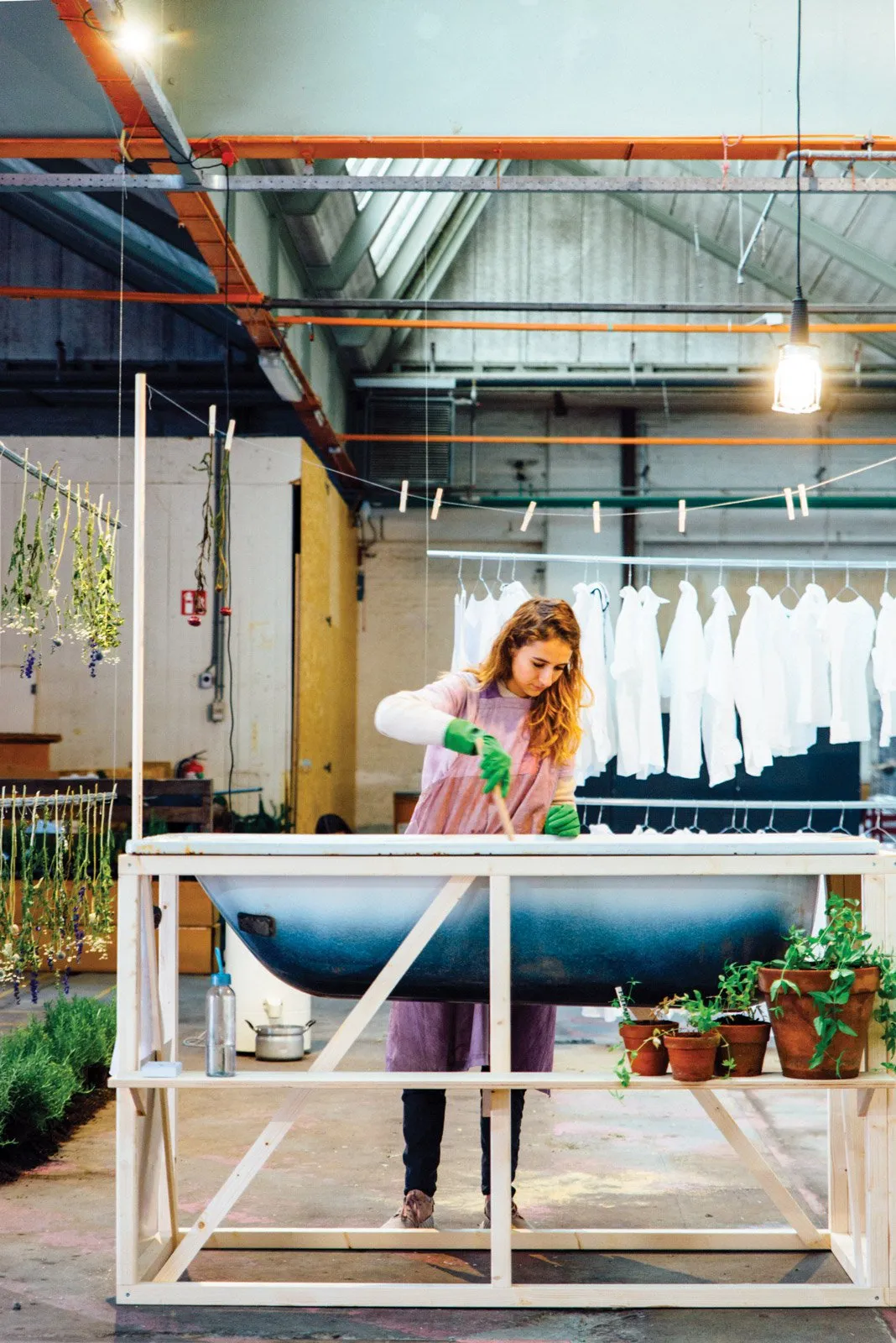
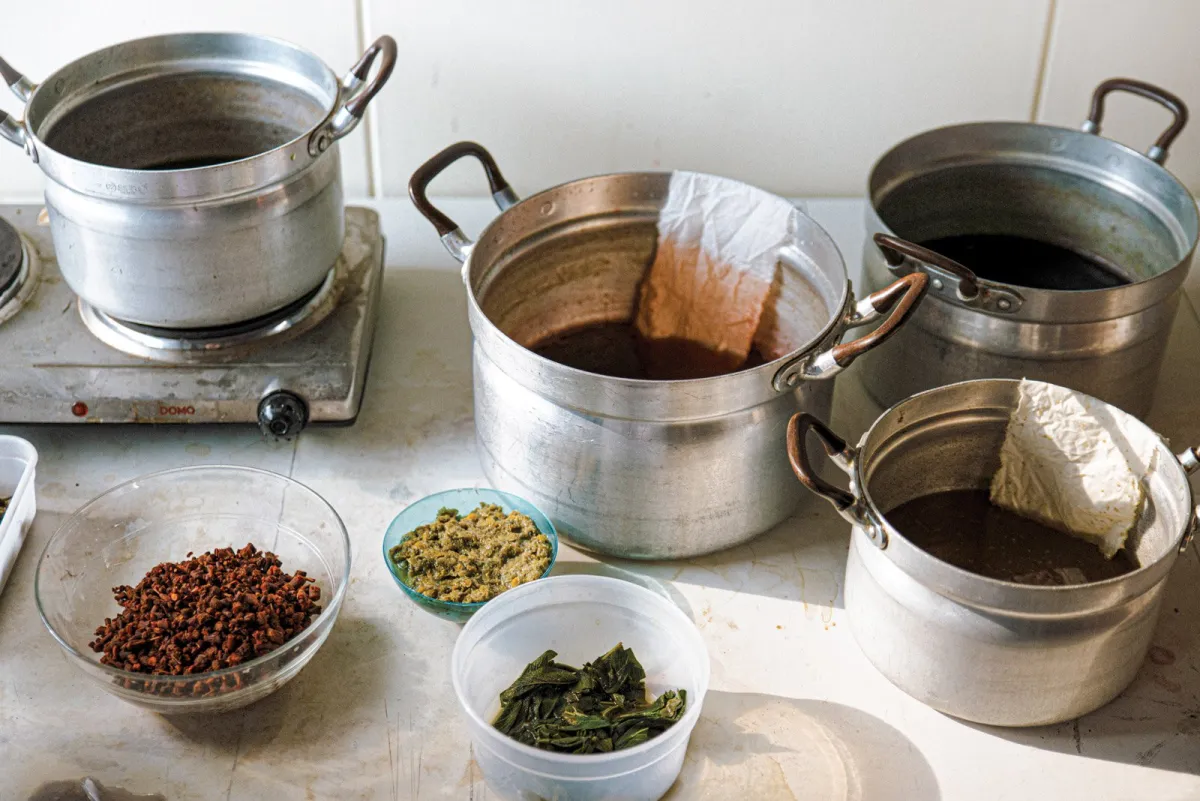
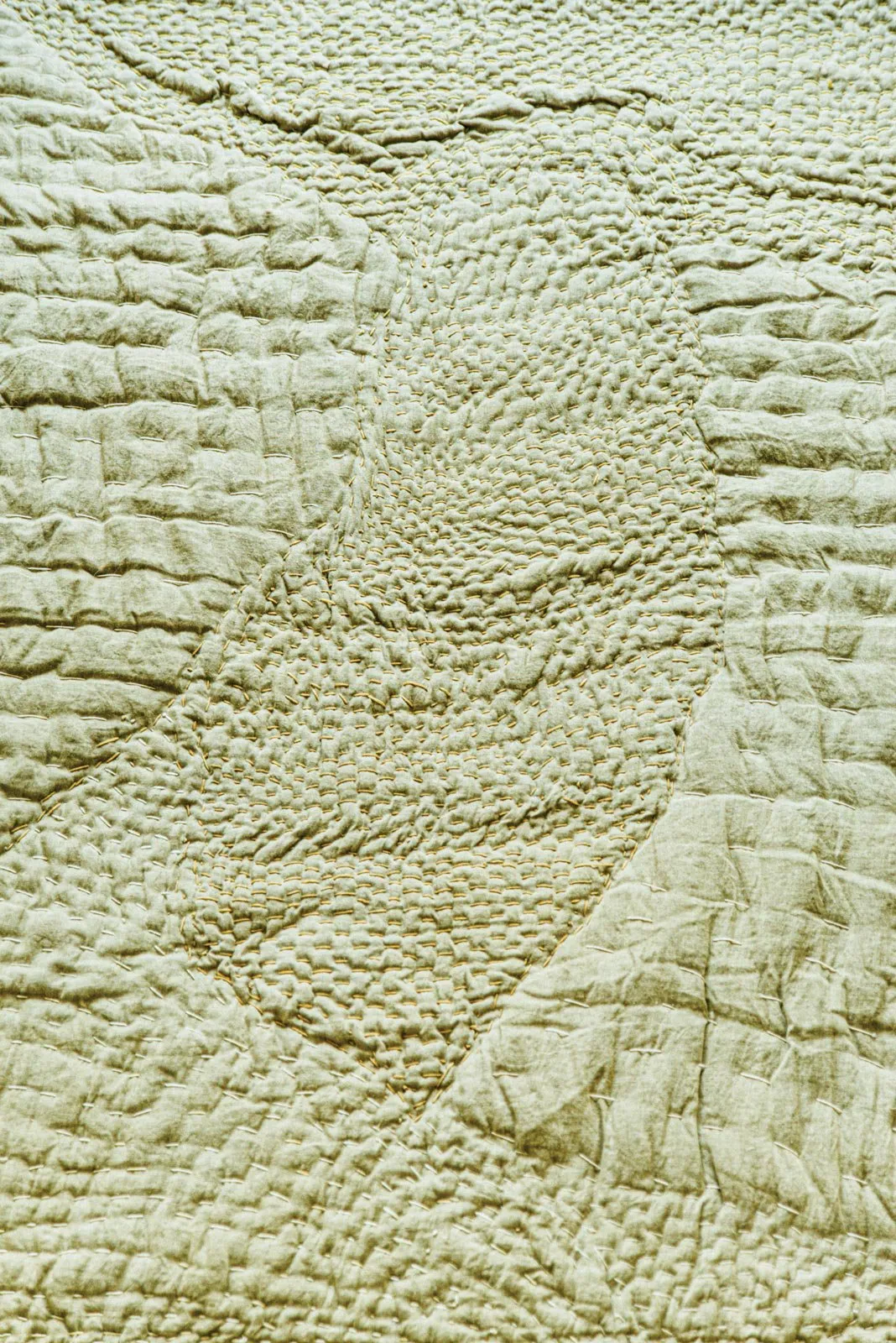
Dutch designer Nienke Hoogvliet’s research revealed that many textiles contain harmful chemicals that can cause a variety of disorders and diseases. Her line of research led her to ask the questions: Can textiles also release substances that can be beneficial to our health and skin? Would herbs have beneficial effects when used as textile dye? PhotoGRAPH COURTESY STUDIO NIENKE.
If design is regarded as a vehicle for social change, then materials serve as its essential fuel. Throughout history, certain materials have played a significant role in healing practices. In the 17th century, as Europe was reeling from the bubonic plague, which ended up wiping out around 50% of the continent’s population, a peculiar individual emerged: the plague doctor. Sporting an outfit originally designed by renowned French physician Charles de Lorme, this “hazmat suit” was made from waxed canvas, leather and linen. The attire could be considered an early version of our modern protective gear. But the most striking feature of the plague doctors’ appearance was their distinctive beak-shaped masks. These contained herbs such as mint, rosemary, camphor, storax and even Indian spices, believed to repel pests.
Wound dressings and bandages - symbols of healing - have historically been created from plant-based fibres such as cotton, flax, nettle, and even tree barks. Linen, in particular, emerged as a prominent player in medical treatment, especially during times of armed conflict. Ancient civilizations, from Mesopotamia to Egypt, Greece, and Rome, utilised linen bandages dipped in essential oils to cleanse wounds.
Modern research and innovation has breathed new life into these ancient traditions. Polish scientists, drawing on historical knowledge, have developed FlaxAid, a groundbreaking type of flax dressing enriched with antioxidants. These innovative dressings are currently undergoing testing in Polish hospitals on patients with venous ulcers, but initial results suggest the bandage might diminish the accompanying pain.
Another example is a modern take on the traditional use of banana leaves as menstrual pads in rural India. With only one-third of menstruating people having access to sanitary pads resulting in approximately 23 million girls dropping out of school each year, many rely on plastic alternatives. If everyone in India were to use those, it would create waste equivalent annually to 10 times the weight of the Great Pacific Garbage Patch, a collection of marine debris in the North Pacific Ocean. To address this issue, initiatives like Saathi have emerged. This startup produces biodegradable sanitary pads from discarded banana plant fibres, repurposing a readily available resource that decomposes within six to 18 months. A single banana plant stem can yield 3,000 pads. Similar initiatives are also underway in Kenya and Uganda.
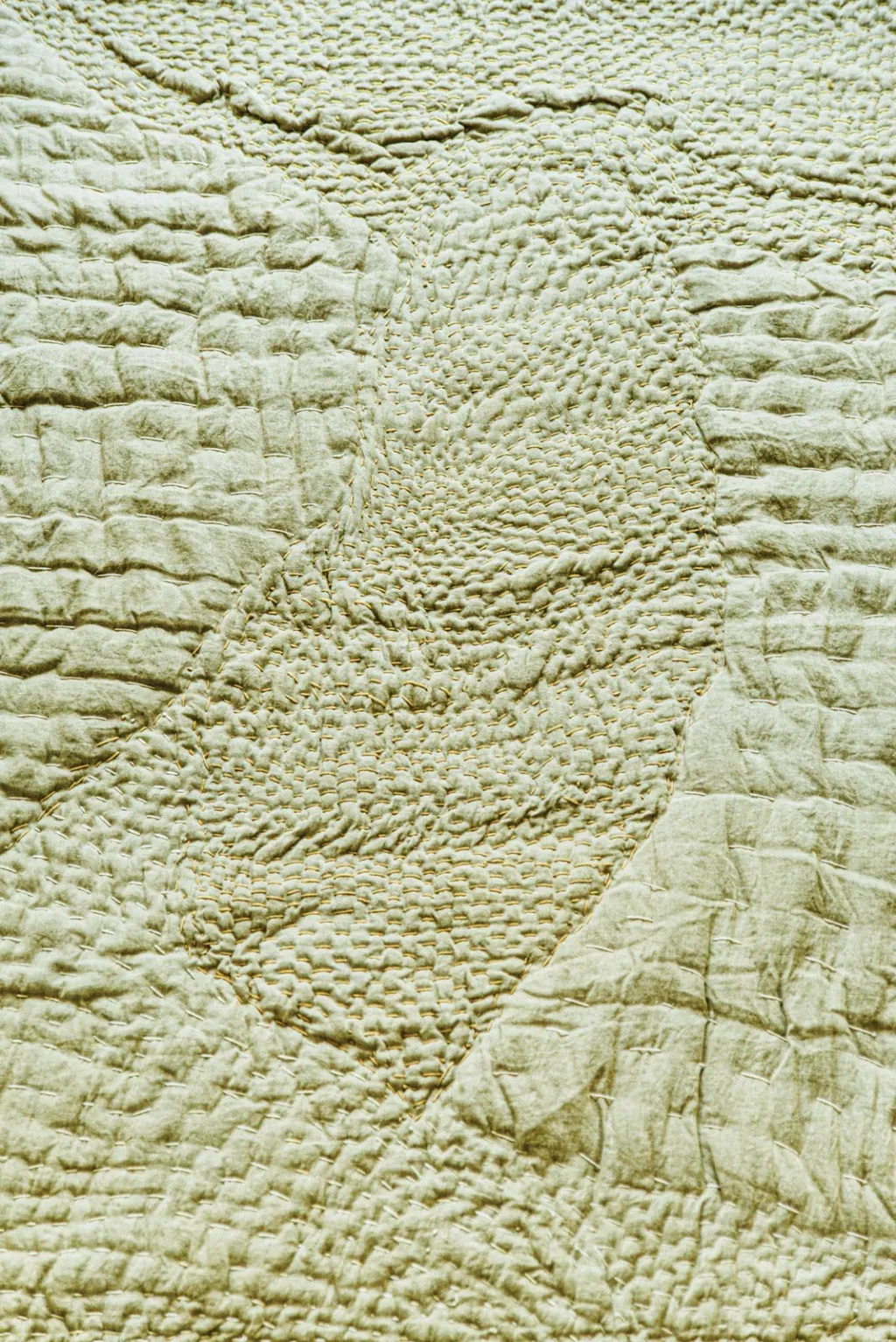
The use of plant-based dyes in traditional textiles has been well-documented, encompassing a range of vibrant colours from cochineal red to indigo blue. However, various Indigenous groups across India have gone beyond mere aesthetics and incorporated plant-based dyes for their health-related properties. Turmeric and neem, for example, possess antibacterial and antimicrobial qualities, offering added health benefits and protection to garments. Inspired by this practice, which both preserves cultural heritage and showcases Indigenous traditions, Dutch designer Nienke Hoogvliet found that many textiles are depleted with harmful chemicals. In response, she created H.E.R.B.S., a quilt made from pesticide-free European linen. Using rosemary, sage, and chamomile as natural dyes, her project explores the potential release of beneficial substances for the wellbeing of both skin and health.
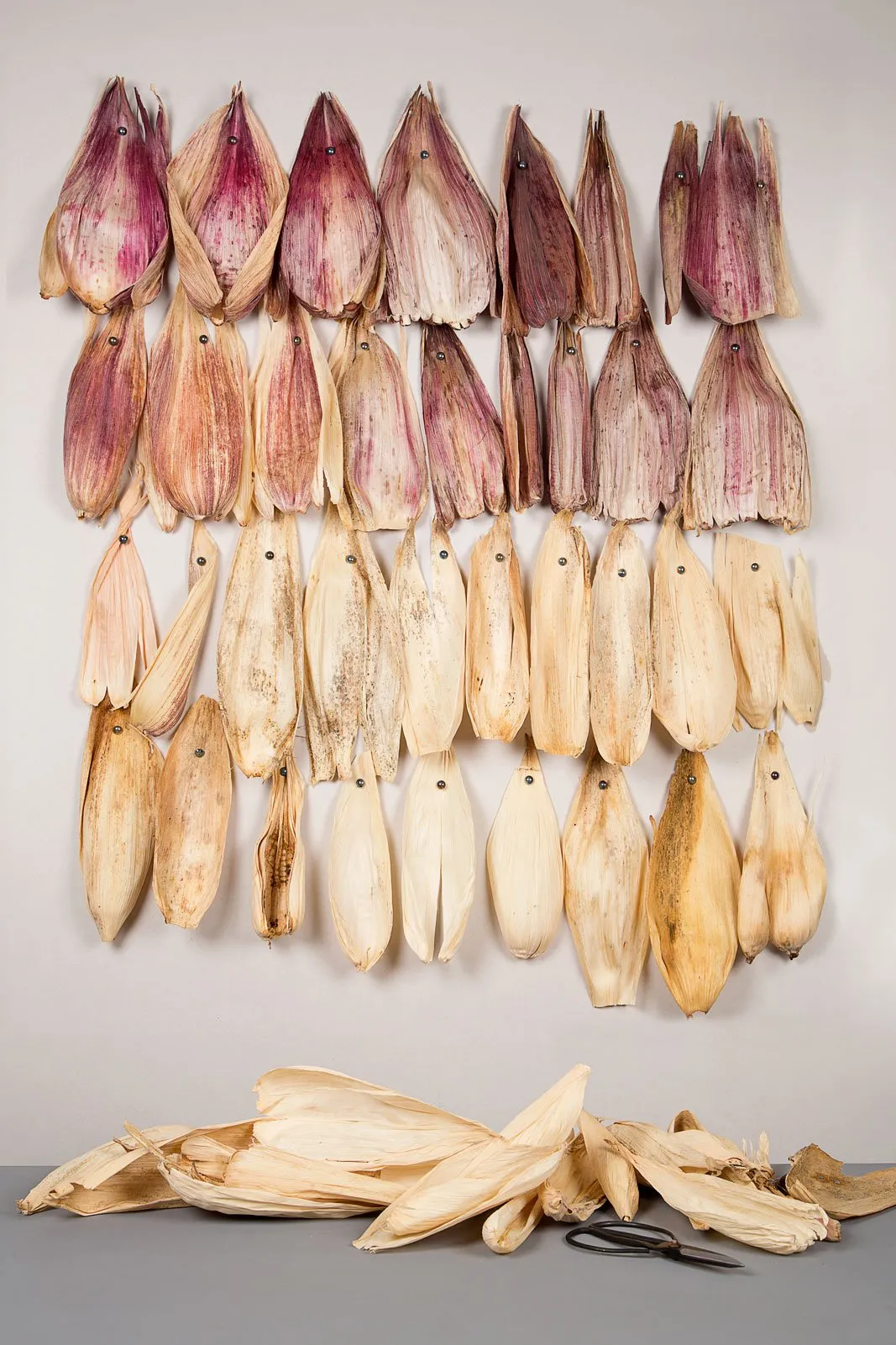
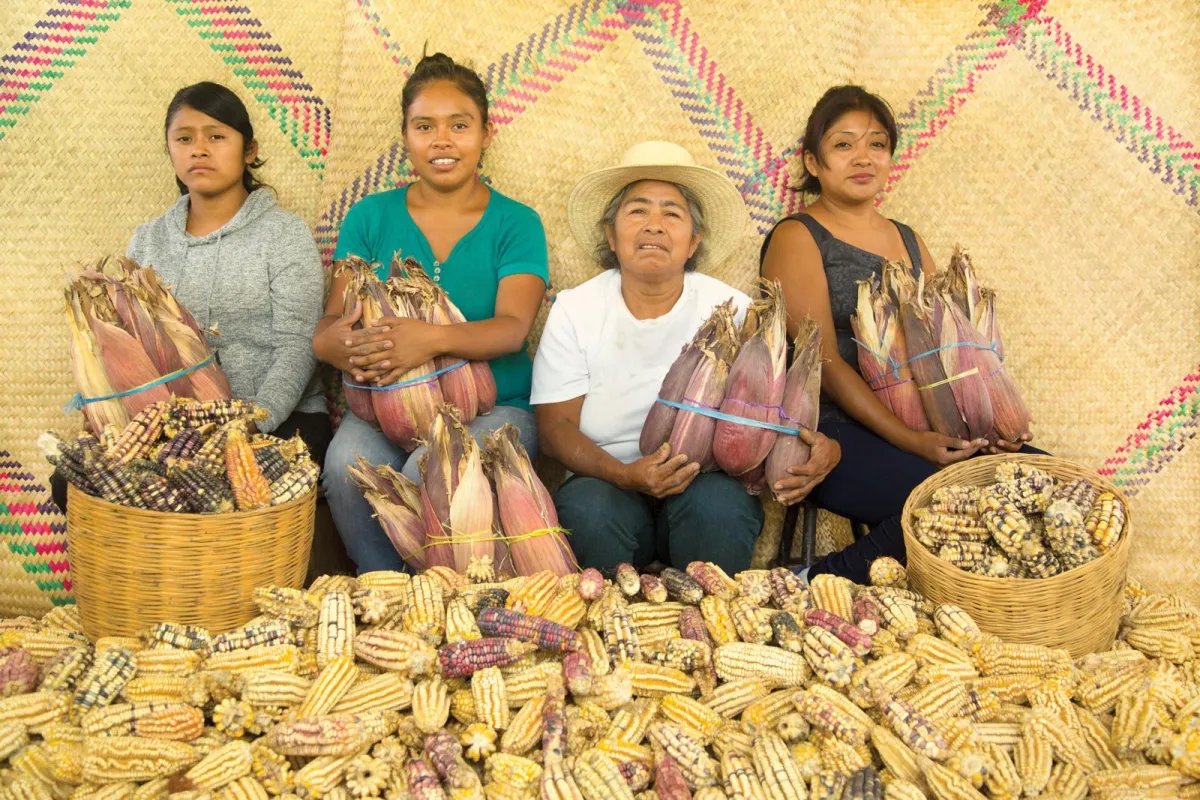
Totomoxtle is a veneer made with the husks of endangered Mexican heirloom corn. An important aspect of the project is the regeneration of traditional agricultural practices, alongside the creation of a new craft that generates income for the Mixtec farmers and herders in the state of Puebla, Mexico. Fernando has been working with a group of families from there since 2016 and with the support of the International Maize and Wheat Improvement Center, the world’s largest corn seed bank, they have been slowly reintroducing native seeds. PhotoGRAPH courtesy Fernando Laposse.
In his projects, Mexican designer Fernando Laposse often addresses larger environmental and social issues that go beyond aesthetics. He designed a new veneer material that he calls Totomoxtle, which is made of native corn varieties that are sharply declining due to trade agreements, herbicides, and genetically modified foreign seeds. Fernando partnered with the Tonahuixtla community in Puebla, Mexico, and reintroduced native seeds back into local farming, generating much-needed income for Indigenous women and farmers, and creating beautiful design objects that garnered international acclaim. As a result, the project stressed the importance of preserving ancestral corn seeds for their nutritional value and as a potential solution to future climate challenges. It also exemplified the power of design in transforming, repairing, and fostering social cohesion.
For many Indigenous communities, their primary pharmacy is the forest that surrounds them. Both the tobacco plant and tansy herb have been traditionally used to repel mosquitoes. In Cameroon, ethnopharmacologists are investigating vernacular practices involving the use of papaya and mango leaves for malaria treatment. Similarly, the neem tree, with its extensive history of medicinal uses in both its native India and “adopted” African countries, is presently undergoing testing for its efficacy against malaria-carrying mosquitoes. Essential oils like citronella, with their potent chemical properties, also require further investigation.
According to WHO estimates, around 80% of the global population still use plants as their primary source of healthcare, and approximately 40% of approved pharmaceutical products in use today derive from natural substances. Aside from quinine, other notable examples include aspirin, which is isolated from the willow bark, vincristine, which is isolated from the Madagascar periwinkle and used in cancer treatment, and morphine, which is originally derived from the opium poppy. In the 1970s, Chinese researcher Youyou Tu successfully extracted artemisinin from Artemisia annua (sweet wormwood) through extensive ethnobotanical research rooted in traditional Chinese medicine. The current decline in biodiversity therefore poses a threat not only to Indigenous knowledge but also to the potential discovery of new medicines.
As the world eagerly awaits a new malaria vaccine and grapples with complex health challenges, it is important that we transcend the limitations of conventional western-centric approaches and embrace the vast potential of Indigenous knowledge, innovative design and scientific research based on ethical collaborations. It is equally imperative that we explore narratives that respect the interconnectedness of all living beings. But to fully explore these alternatives, we must collectively undergo a radical shift. Perhaps it’s time to redefine what healing truly means for us.
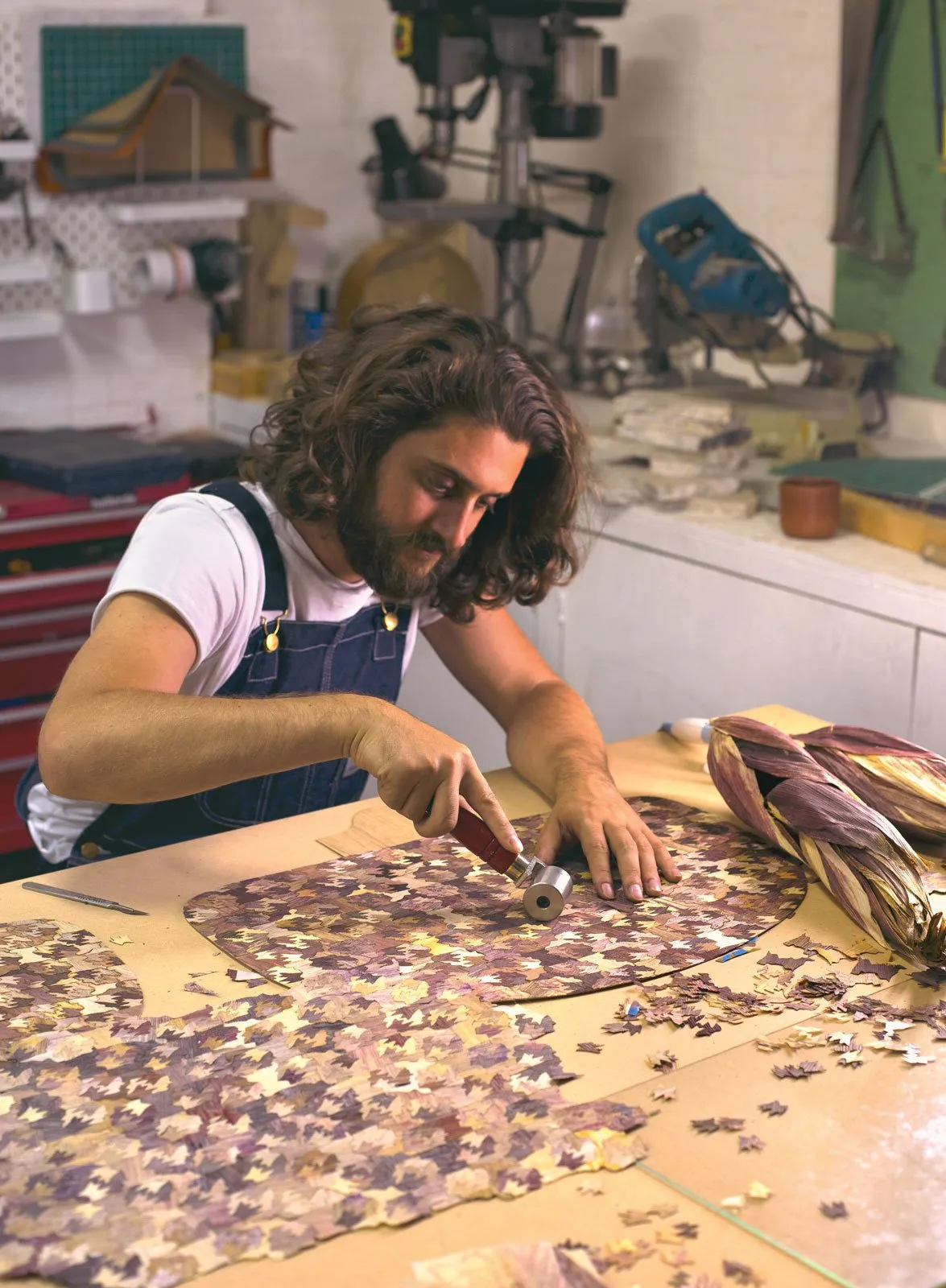
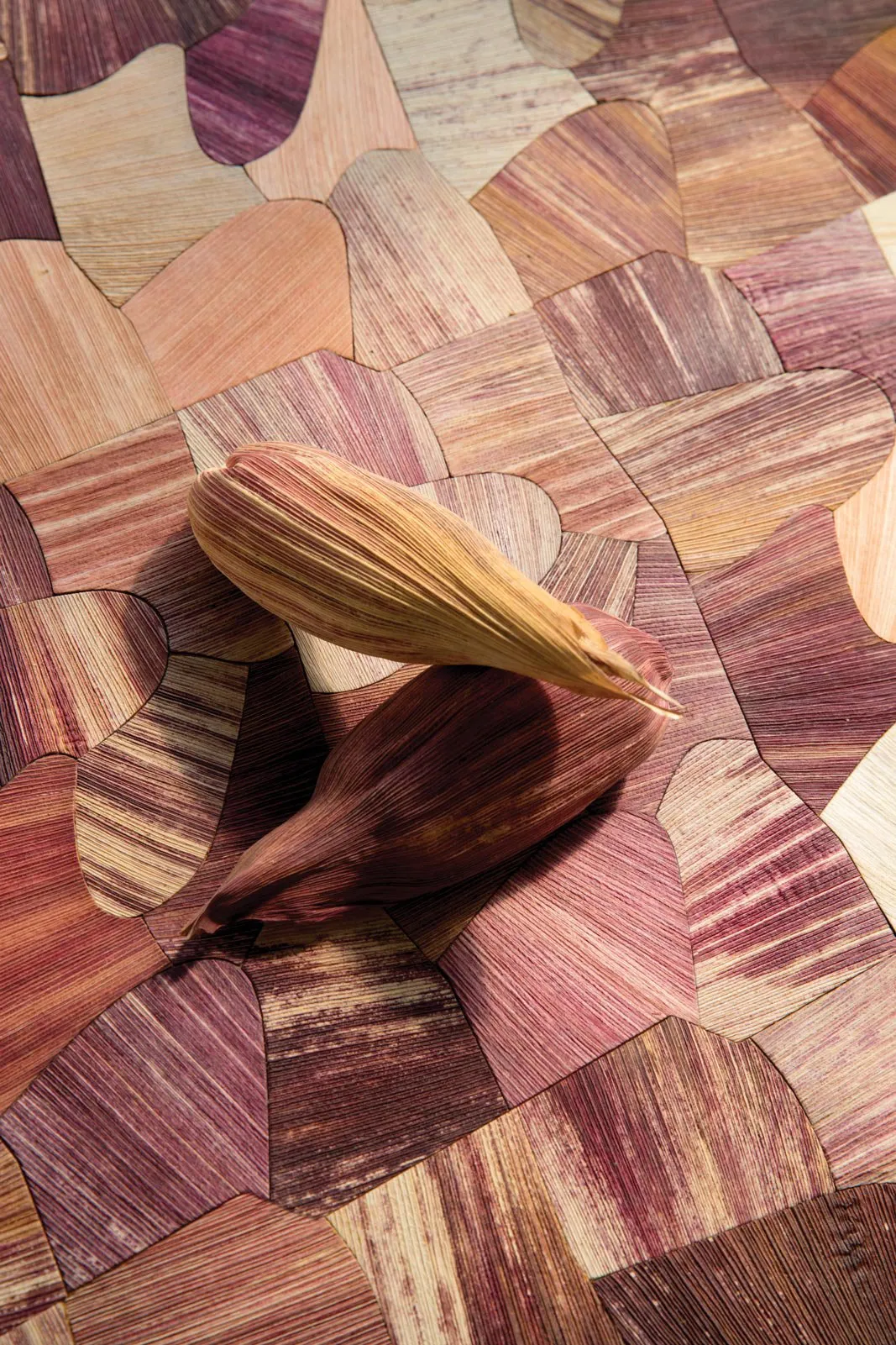
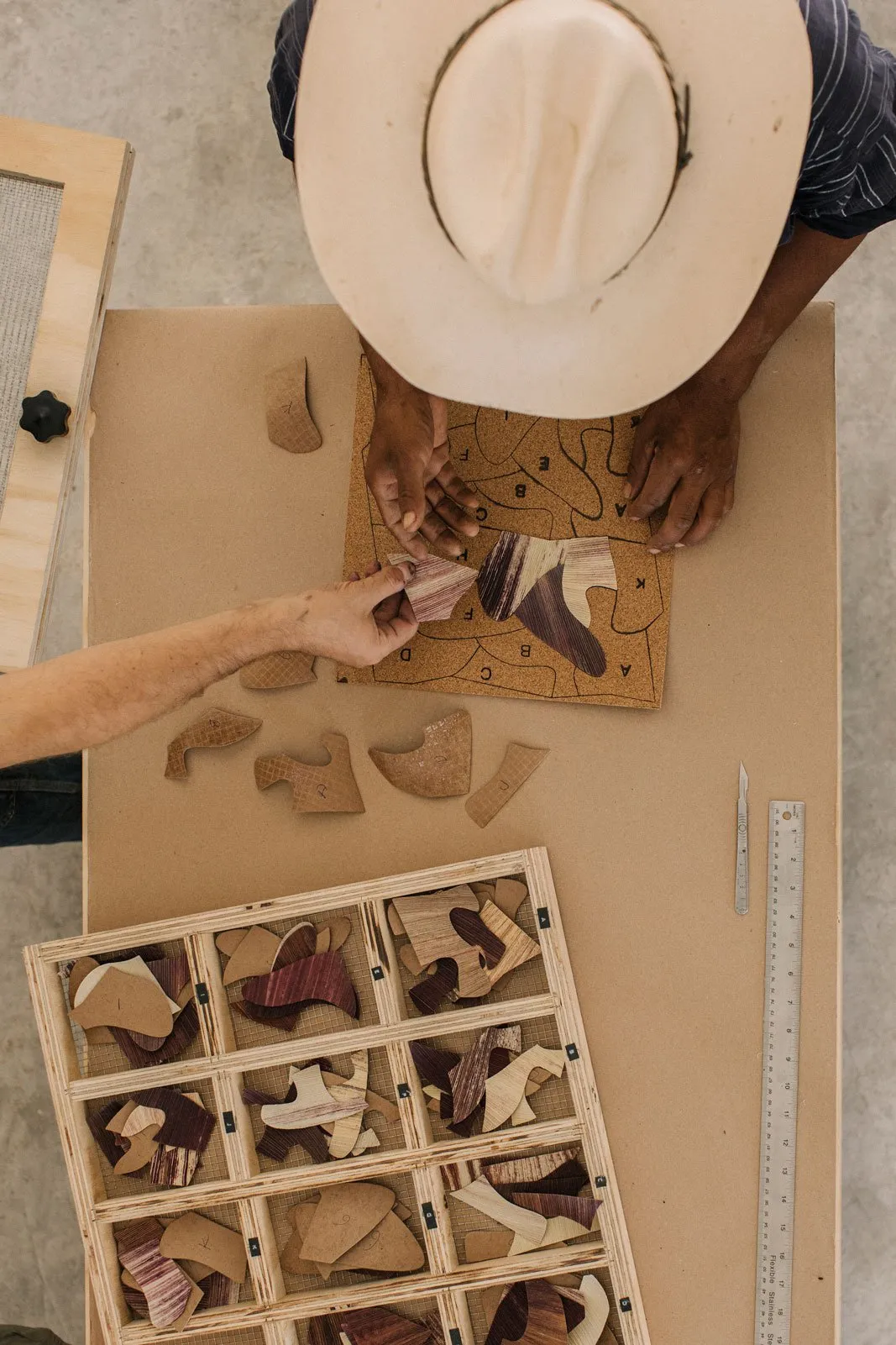
Fernando Laposse crafting marquetry with the Totomoxtle veneer. A tabletop detail. PhotoGRAPHs courtesy Fernando Laposse.
This article is part of Issue #15
Healing Rootedness Community
The themes in this issue include healing in community; the interconnectedness of mind, body, and environment; queer joy and healing; identity and m…
Explore Issue #15